The Interactive Experiences Lab (ixLab) at Simon Fraser University’s School of Computing Science specializes in Human-Computer Interaction (HCI) and Information Visualization (InfoVis). Using an interdisciplinary, human-centered approach, we invent, design, prototype and study novel interactive data visualization and computing systems with the overt intention to empower people, helping to make it more possible for them to tackle technology and data challenges in a variety of domains.
Each specialized lab brings dedicated domain expertise, cutting-edge facilities, and vibrant research cohorts.
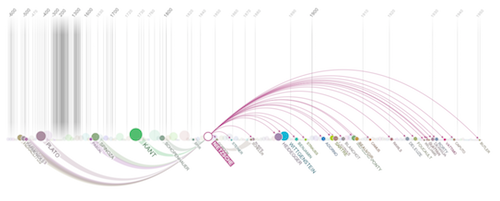
Innovation in Visualization (InnoVis) is a research group focused on data visualization and physicalization, personal visualization, data empowerment and human-centred design, founded and directed by Sheelagh Carpendale. The InnoVis is an interdisciplinary team comprised of researchers from many disciplines (currently including computer science, data science, fine art, theatre, nursing and architecture). The InnoVis team studies how people interact with information and data both in work and social settings, and work towards designing more natural, accessible and understandable interactive visual representations of data.
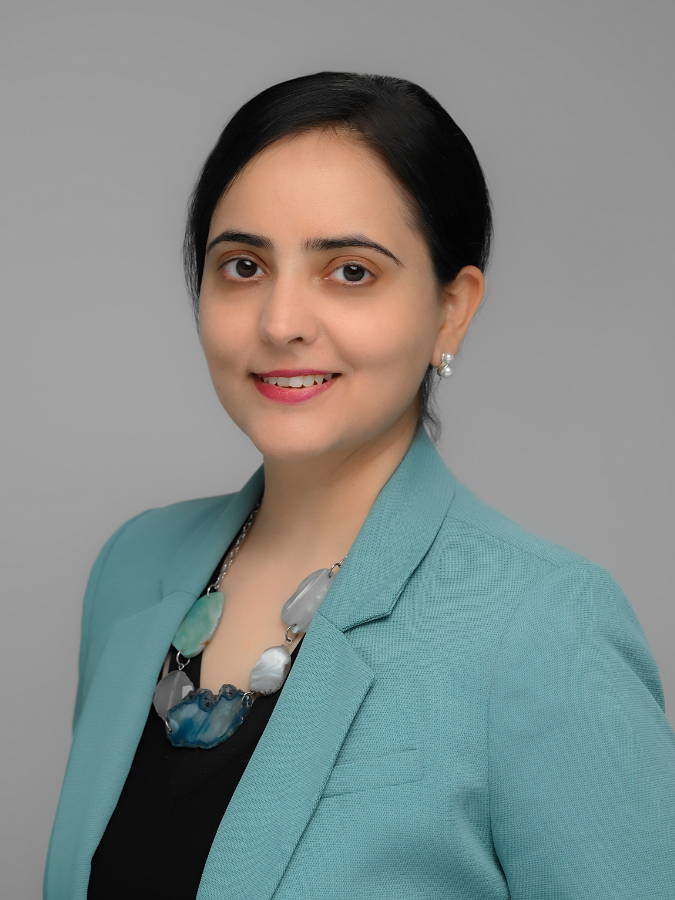
The LEARN Lab, led by Prof. Parmit Chilana, focuses on Learning, Empowering & Advancing Research on Novel Interactions. We study how people learn, create, and work with complex and emerging technologies, and design novel interactive systems that make these technologies easier to understand and use. Our work spans software learnability, human-AI interaction, and novel interactive systems and interfaces, with a growing focus on AI systems that support learning, creativity, and human agency.
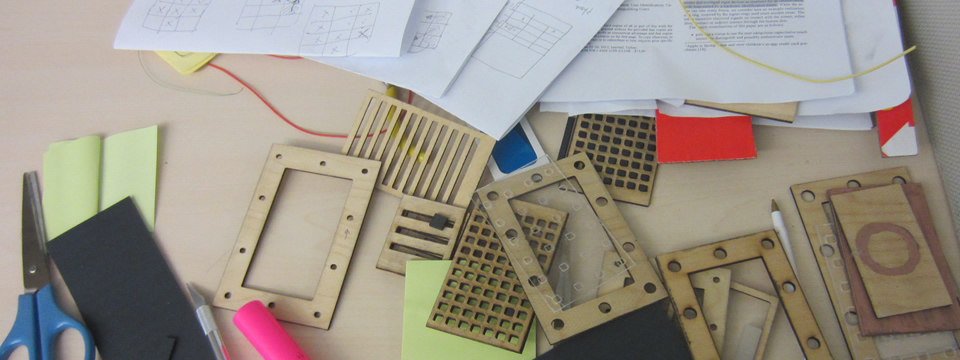
Our research in HCI focuses on embedding sensing and computation into everyday materials to enable intelligent physical environments. By shifting sensing from external devices to the materials themselves, we aim to create a seamless and scalable foundation for smart environments, addressing challenges in how AI systems perceive, understand, and support human behavior in the physical world.
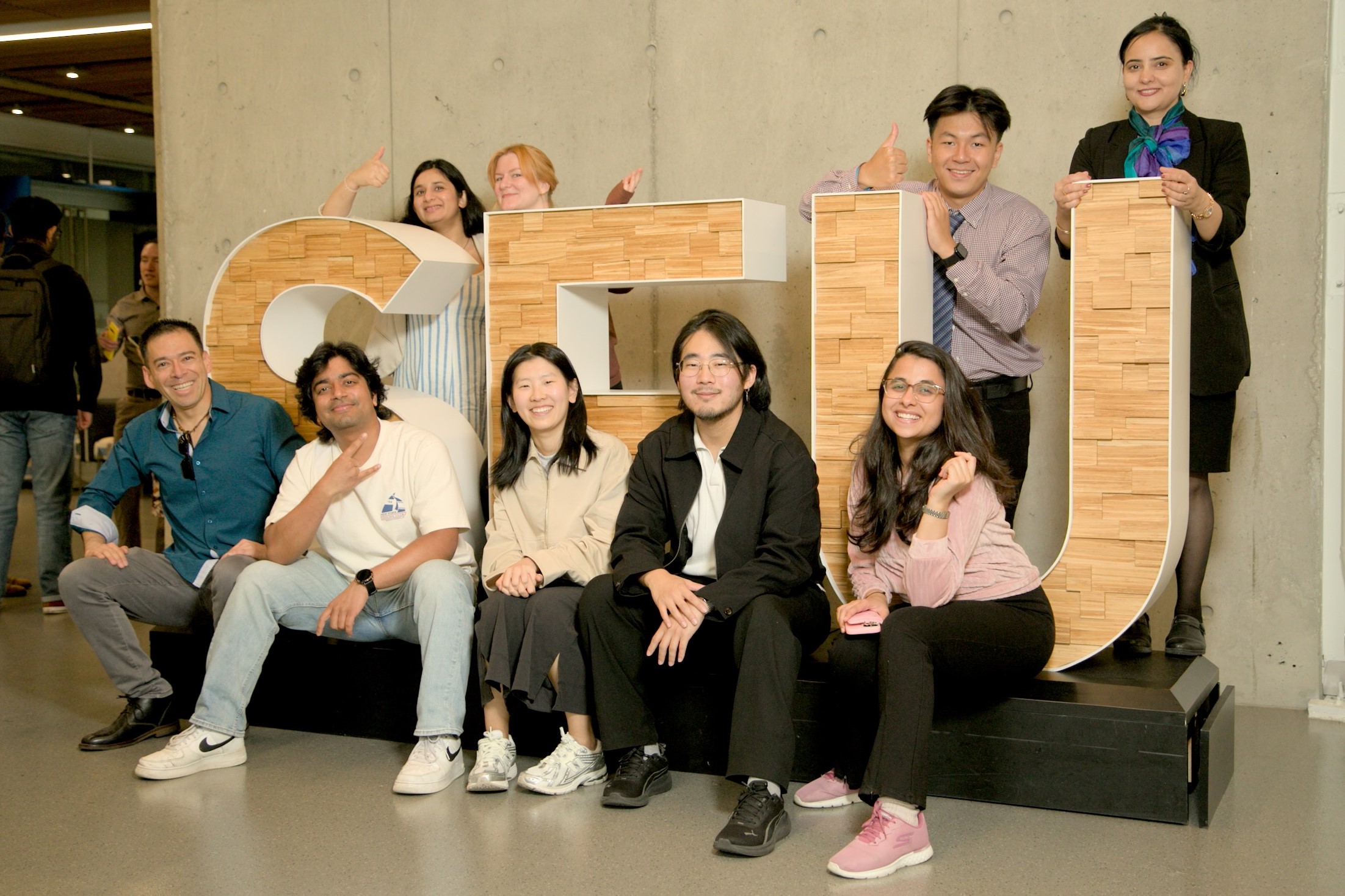
The SFU Tangent Lab, led by Prof. Lawrence Kim, explores how emerging technologies can foster more affective and tangible interactions, empowering individuals toward self-actualization. We believe that human-centered interfaces should seamlessly bridge the digital and physical worlds, leveraging innate abilities such as spatial cognition and emotional connection.
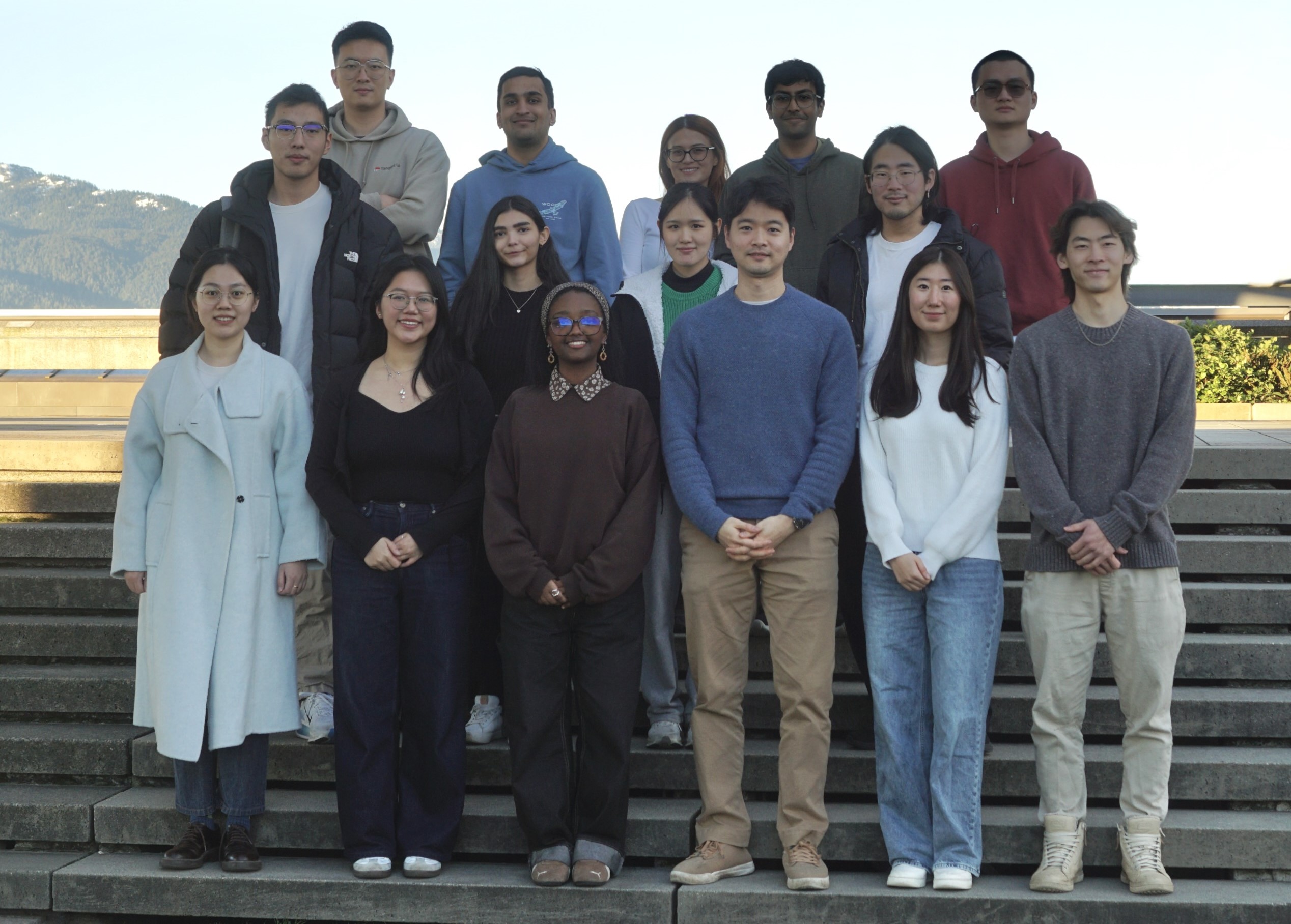
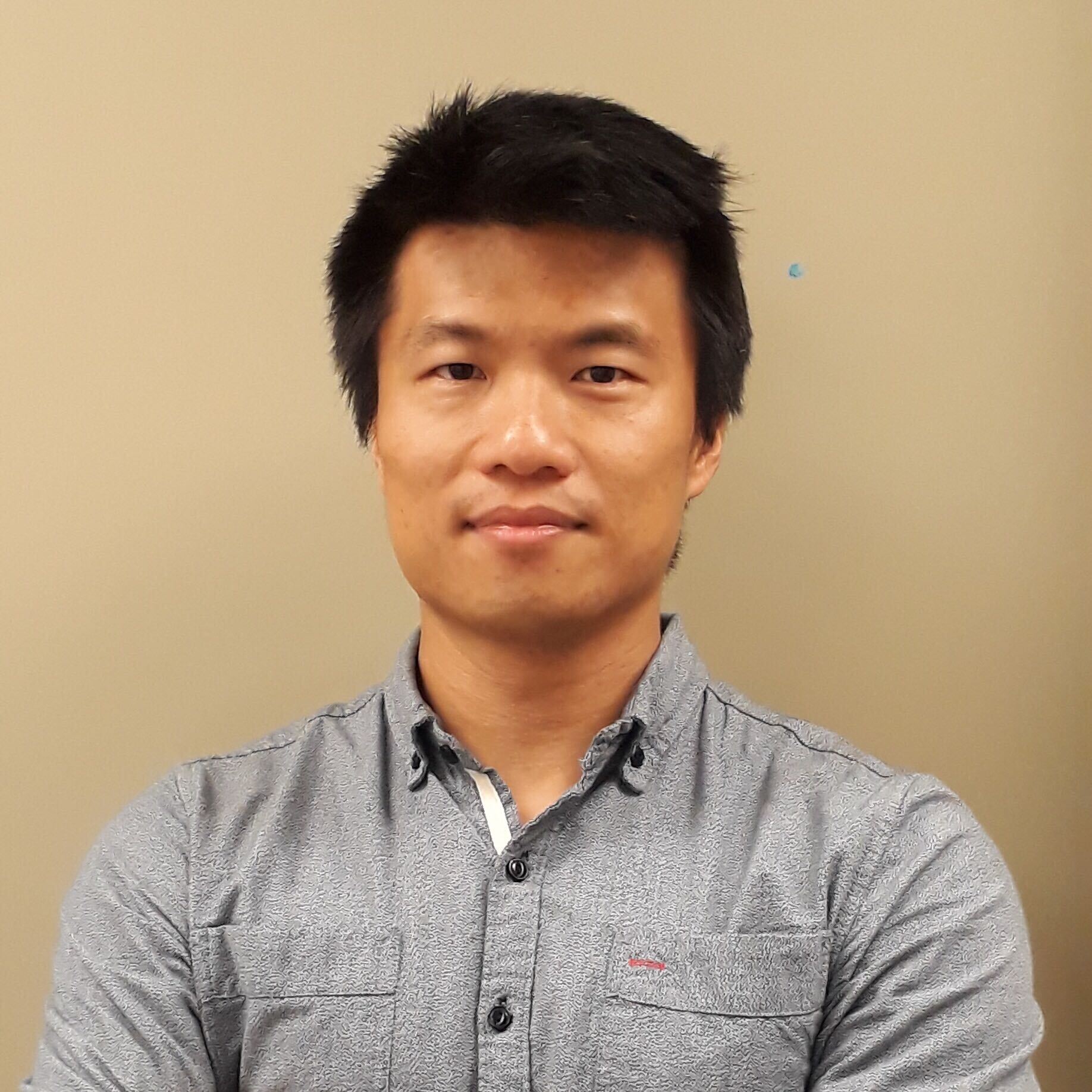
A research group at the intersection of human-computer interaction and machine learning. We study the people and data that fuel powerful AI systems, and work to ensure that AI is used responsibly.
Meet our distinguished faculty members driving world-leading computational research and mentoring the next generation of innovators.
Sheelagh Carpendale is a Canada Research Chair in Data Visualization, School of Computing Science, Simon Fraser University. She is a Royal Society of Canada, IEEE and ACM Fellow. Her many awards include the IEEE Visualization Career Award, CS-CAN Lifetime Achievement, the E.W.R. NSERC STEACIE Memorial Fellowship, and a BAFTA (British Academy of Film & Television Arts Interactive Award). She has been inducted into both the ACM CHI (Computer-Human-Interaction) and the IEEE Visualization Academy. She has served in such roles as Papers, Program, and General Chair for IEEE InfoVis, and ACM ISS, has chaired both IEEE InfoVis and ACM ISS Steering Committees, as well as being a member of the IEEE Visualization Executive Committee. She has received both the IEEE and ACM recognition of service awards and initiated the interdisciplinary graduate programs (both MSc and PhD) in Computational Media Design at University of Calgary. She leads the Innovations in Visualization (InnoVis) research group and is an internationally renowned leader in both data visualization and interaction design.
Chilana’s research focuses on how people learn, create, and work with complex and emerging technologies, and on designing interactive systems that make them easier to understand and use. Her work spans software learnability, human-AI interaction, and interactive systems across creative tools, education, and software development. A central theme is designing for diverse backgrounds, expertise, and goals to empower people to learn, create, and engage effectively with technology.
Investigates future interactive systems and brings interactivity to everyday objects; particularly on the design, development, and evaluation of novel interactive systems for smart everyday "things", ranging from watches to garments, accessories, appliances, and furniture.
Focuses on the intersection of human-computer interaction, robotics, and haptics; specifically in designing and building affective tangible interfaces to enable new interaction and facilitate physical and mental well-being.
Studies the content ecosystems and data supply chains that fuel data-dependent technologies like search engines, recommender systems, and generative AI.
Teaches a variety of Computer Science courses from general introduction to programming to specialized human-centered computing; advocates for improving user experience and user empowerment via user-centered design approaches.